
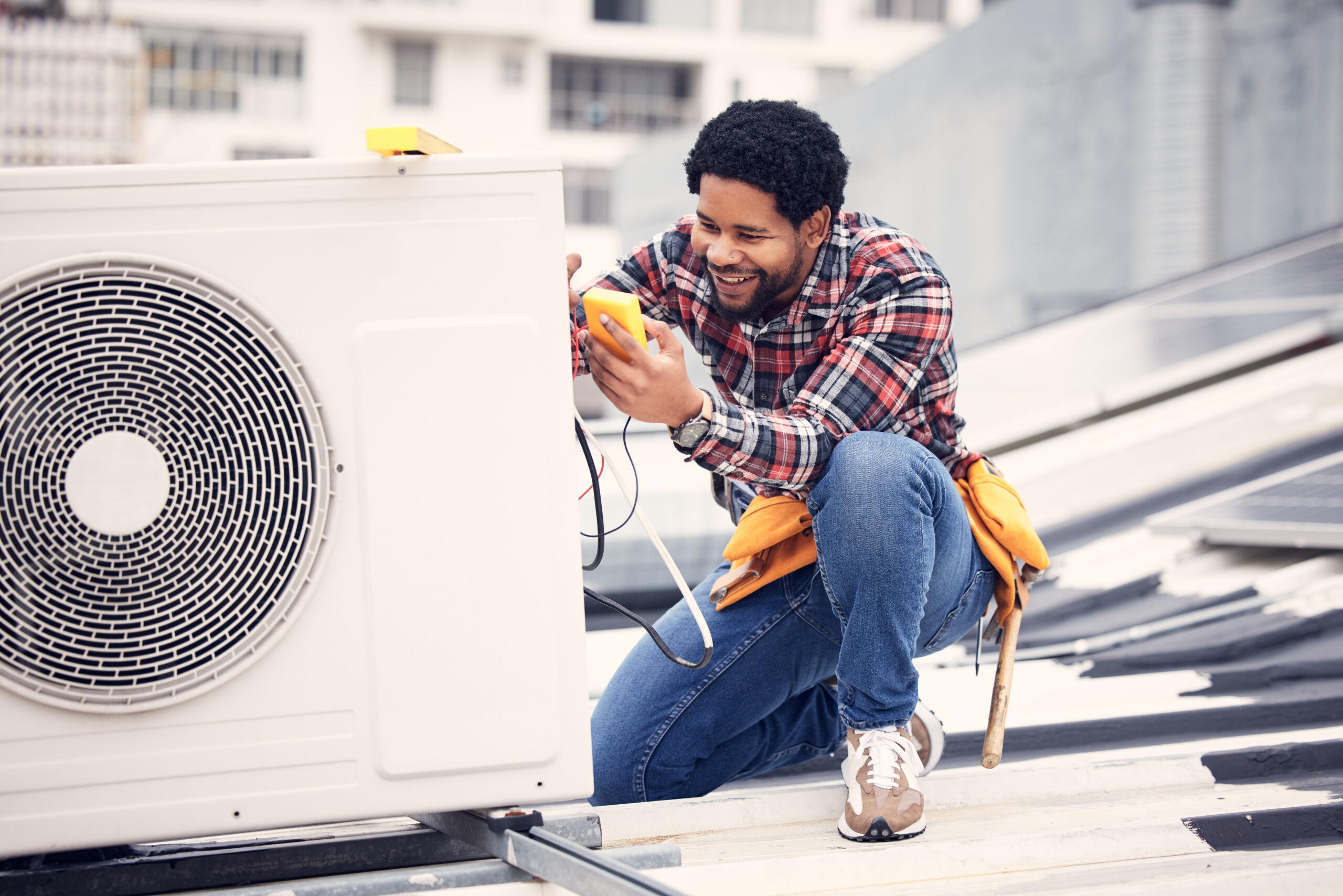
Is a Heat Pump Right for Your Surf City Home? What to Know
Choosing a heating and cooling system is a significant decision for any homeowner, especially when comfort, energy use, and long-term operating costs all matter. For homeowners considering heat pumps in Surf City, understanding how these systems work and whether they suit the local climate can make the decision much easier.
Unlike traditional systems that generate heat, a heat pump transfers heat from one place to another. That allows the same equipment to provide both heating and cooling, making it a versatile option for year-round indoor comfort. Before making the switch, however, it is important to consider your home’s size, insulation, existing HVAC setup, and comfort needs. If you need professional guidance, researching heat pump services in Surf City can help you understand your available options.
How Does a Heat Pump Work?
A heat pump uses a refrigeration cycle to move heat rather than creating it through combustion. In cooling mode, it removes heat from inside your home and transfers it outdoors. In heating mode, the process reverses, allowing the system to extract available heat from outdoor air and bring it indoors.
This dual-purpose design is one of the biggest differences between a heat pump and a conventional air conditioner paired with a separate furnace or heating system. A properly sized and installed heat pump can provide both functions from a single system.
Modern air-source heat pumps are designed to operate in a range of outdoor temperatures. Their performance can vary depending on weather conditions, equipment design, insulation, and other factors, so choosing the right system for your home is essential.
Why Consider a Heat Pump for Your Surf City Home?
A heat pump can be particularly appealing in areas where homeowners need both cooling and heating throughout the year. Instead of maintaining separate equipment for each function, one heat pump system can handle both.
There are several potential advantages to consider:
● Year-round operation: A heat pump can provide cooling during warmer months and heating when temperatures fall.
● Energy-efficient operation: Because it transfers heat rather than generating it directly, a heat pump can use electricity efficiently under suitable conditions.
● One integrated system: Combining heating and cooling can simplify HVAC equipment and maintenance.
● Consistent comfort: Properly sized equipment can help maintain steady indoor temperatures.
● No on-site combustion: Electric heat pumps do not burn fuel inside the home to produce heat.
These benefits do not automatically make a heat pump the best choice for every property. The home’s design and the system’s installation quality can have a major effect on real-world performance.
What Should You Consider Before Installing One?
The first question is not simply whether heat pumps are efficient. It is whether a particular system is appropriate for your house.
Home size and layout matter because HVAC equipment must be sized according to the property’s heating and cooling requirements. A system that is too large may cycle on and off more frequently than desirable, while one that is too small may struggle to maintain comfortable temperatures.
Insulation and air sealing are also important. A well-insulated home generally makes it easier for any HVAC system to maintain indoor comfort. Before investing in new equipment, it can be worthwhile to identify obvious sources of heat loss or unwanted air infiltration.
You should also consider your existing HVAC system. Depending on the property, a heat pump may replace an existing air conditioner and heating system, work alongside another heating source, or be installed as part of a larger HVAC upgrade.
Finally, think about maintenance access and installation requirements. Outdoor units need appropriate placement and sufficient clearance for airflow and servicing.
Heat Pump vs. Traditional HVAC Systems
A conventional setup might use an air conditioner for cooling and a furnace or other heating system for warmth. A heat pump combines heating and cooling capabilities into one primary system.
Read More: Why CPVC-X Pipes Are Becoming a Popular Plumbing Solution
That does not mean one option is universally superior. The best choice depends on factors such as the home’s existing infrastructure, electricity and fuel costs, desired comfort, budget, and local weather patterns.
For homeowners replacing aging equipment, it can make sense to compare the expected installation and operating costs of different configurations rather than focusing only on the equipment’s purchase price.
Common Heat Pump Mistakes to Avoid
Even a high-quality heat pump can perform poorly if the system is incorrectly selected or maintained. One common mistake is choosing equipment based solely on the home’s square footage. Professional load calculations provide a better basis for determining the appropriate capacity.
Another mistake is overlooking airflow problems. Dirty filters, blocked vents, restricted ducts, and poorly designed ductwork can reduce system performance and make it harder to maintain comfortable temperatures.
Homeowners should also avoid treating maintenance as optional. Regular professional inspections and routine filter replacement can help identify developing issues before they become larger problems.
How to Decide if a Heat Pump Is Right for You
Start by looking at your current HVAC system. If it is approaching the end of its service life, this may be a useful opportunity to compare replacement options rather than simply installing the same type of equipment.
Read More: 5 Practical Ways to Make Your Ilford Property Sale Progress Faster
Next, consider your priorities. Do you want one system capable of heating and cooling? Are you interested in reducing reliance on fuel-based heating? Is your existing electrical service suitable for the equipment you’re considering?
A qualified HVAC professional can evaluate your home’s layout, insulation, ductwork, existing equipment, and comfort requirements. Ask for a clear explanation of the recommended system size, expected maintenance needs, installation requirements, and available alternatives.
Maintaining Your Heat Pump for Reliable Performance
Once installed, a heat pump needs regular attention just like other HVAC equipment. Homeowners can handle simple tasks such as keeping the area around the outdoor unit clear and replacing or cleaning filters according to the equipment manufacturer’s recommendations.
Professional maintenance can go further by checking components, electrical connections, refrigerant-related issues, airflow, and overall system operation. Scheduling service before periods of heavy use can also give technicians an opportunity to identify potential problems before they interfere with comfort.
Conclusion
A heat pump can be a practical option for a Surf City home when its capacity, installation, and operating requirements match the property. Its ability to provide both heating and cooling makes it worth considering for homeowners who want an integrated HVAC solution.
The most important step is to evaluate the whole system rather than choosing equipment based on price or advertised efficiency alone. Consider your home’s insulation, ductwork, existing HVAC equipment, comfort preferences, and long-term needs, then have a qualified professional determine which solution makes the most sense.
