
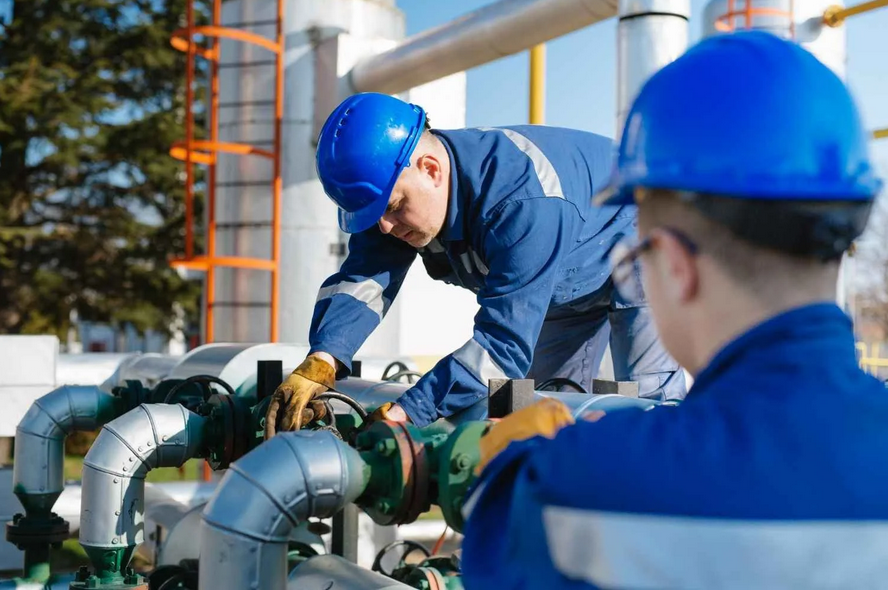
How Clean Water Supports Better Plumbing and HVAC Performance
Access to reliable clean water is fundamental to modern living, yet its role in protecting the systems we depend on daily often goes unnoticed. From residential homes to large commercial buildings, the quality of water flowing through pipes and equipment directly influences the longevity, efficiency, and safety of plumbing and HVAC installations. Investing in a professional water treatment service can prevent costly repairs and maintain optimal system performance over the long term.
Water is rarely pure as it travels from source to tap. Minerals, sediments, and dissolved gases can accumulate, gradually compromising the infrastructure that handles them. Understanding these effects helps property owners and facility managers make informed decisions about maintenance and upgrades.
The Hidden Toll of Poor Water Quality on Plumbing
Plumbing systems are particularly vulnerable to water chemistry. Hard water, rich in calcium and magnesium, is a common culprit. When heated, these minerals precipitate out as limescale, coating the inside of pipes, boilers, and fixtures. Over time, this buildup restricts water flow, reduces pressure, and forces pumps and valves to work harder.
Scale is not merely an inconvenience. It insulates heating elements, meaning water heaters must consume more energy to reach the desired temperature. A heavily scaled system can lose up to 30% of its efficiency, leading to higher utility bills and premature failure of components. In extreme cases, scale can cause blockages that require expensive pipe replacement or descaling operations.
Corrosion presents another serious challenge. Acidic or oxygen-rich water attacks metal pipes, especially older galvanised steel or copper installations. Pitting corrosion creates weak points that eventually leak, while general corrosion releases metal ions into the water supply. Modern home plumbing materials like cross-linked polyethylene (PEX) are more resistant, but even these can suffer when water carries high levels of chlorides or other aggressive compounds.
Sediment and particulate matter add to the problem. Small particles of sand, rust, or organic debris can accumulate in aerators, showerheads, and valve seats, leading to reduced performance and frequent cleaning. In worst-case scenarios, they contribute to microbial growth, affecting water quality and system hygiene.
Water Quality and HVAC System Efficiency
Heating, ventilation, and air conditioning systems interact constantly with water, particularly in chilled water loops, cooling towers, boilers, and humidifiers. Clean water is essential for maintaining heat transfer efficiency across these components.
In cooling towers, water evaporates to reject heat, concentrating dissolved solids. Without proper management, this leads to scaling on heat exchange surfaces, which acts as a thermal barrier. A thin layer of scale can reduce heat transfer efficiency dramatically, forcing compressors and fans to run longer and consume more electricity. Studies show that even modest scaling can increase energy costs by 10-20% in commercial HVAC installations.
Boilers face similar issues. Scale on heat transfer surfaces creates hot spots that stress metal components and can lead to tube failures. Corrosion in steam or hot water systems introduces iron oxides that circulate as sludge, fouling pumps and valves. Modern high-efficiency condensing boilers are especially sensitive to water quality, as lower return temperatures can encourage condensation of acidic flue gases if the system water is not properly treated.
Closed-loop chilled water systems might appear protected, but leaks, poor initial filling, or inadequate chemical treatment allow oxygen and contaminants to enter. This triggers corrosion and microbial growth, producing biofilm that restricts flow and reduces chiller performance. The result is higher energy consumption and increased risk of system downtime.
Key Benefits of Clean Water for System Performance
The advantages of maintaining high water quality extend beyond simply avoiding breakdowns. Properly treated water delivers measurable improvements:
- Extended Equipment Life: Reducing scale and corrosion can significantly lengthen the service life of boilers, heat exchangers, pumps, and pipework, deferring major capital expenditure.
- Energy Efficiency: Clean surfaces transfer heat more effectively, allowing systems to operate at designed capacity with lower energy input.
- Lower Maintenance Costs: Fewer emergency call-outs, reduced need for chemical descaling, and simpler routine servicing all contribute to cost savings.
- Improved Water Quality and Hygiene: Treated water minimises bacterial risks, including Legionella in cooling systems and hot water circuits, supporting safer indoor environments.
- Consistent Performance: Stable pressure, reliable temperatures, and efficient flow enhance user comfort and operational reliability.
Recognising When Water Quality Is Affecting Your Systems
Several warning signs suggest water quality may be undermining performance. Reduced water pressure, unusually noisy pipes, or slow drainage often point to scale or blockages. Frequent leaks in previously reliable systems can indicate corrosion. In HVAC terms, higher-than-normal energy bills, uneven heating or cooling, or frequent filter changes may reflect underlying water issues.
Professional water analysis provides definitive answers. Testing for hardness, pH, total dissolved solids, and specific contaminants helps identify the right treatment approach rather than applying generic solutions.
Effective Strategies for Water Treatment
Modern water treatment encompasses several complementary technologies. Water softeners exchange hardness minerals for sodium or potassium ions, preventing scale formation. Reverse osmosis systems remove a broad spectrum of impurities for critical applications. Filtration addresses particulates, while chemical treatment programmes maintain balance in closed loops and cooling towers.
The most successful approaches combine mechanical filtration, ion exchange or membrane technology, and ongoing chemical management. Regular monitoring ensures treatment remains effective as source water quality or system demands change.
For many facilities, a comprehensive water treatment service offers the most practical solution. Experienced providers assess individual systems, recommend tailored equipment, and deliver ongoing support including chemical supply, testing, and maintenance. This partnership approach ensures consistent results without placing the full burden on in-house teams.
Looking Ahead: Sustainable Water Management
As buildings become more energy-efficient and environmentally conscious, water treatment gains even greater importance. Lower-flow fixtures and high-efficiency HVAC equipment often operate with less tolerance for poor water quality. At the same time, water scarcity in many regions encourages greater reuse and recycling, which requires robust treatment to prevent system damage.
By prioritising clean water, building owners not only protect their plumbing and HVAC investments but also contribute to broader sustainability goals through reduced energy consumption and extended asset life.
Clean water is more than a convenience it is an essential operational requirement for reliable, efficient building systems. A proactive approach to water quality delivers returns through lower costs, reduced downtime, and greater peace of mind. Whether managing a family home or a large commercial property, understanding and addressing water-related challenges ensures plumbing and HVAC systems continue to perform at their best for years to come.
